
Lifeworld Campus
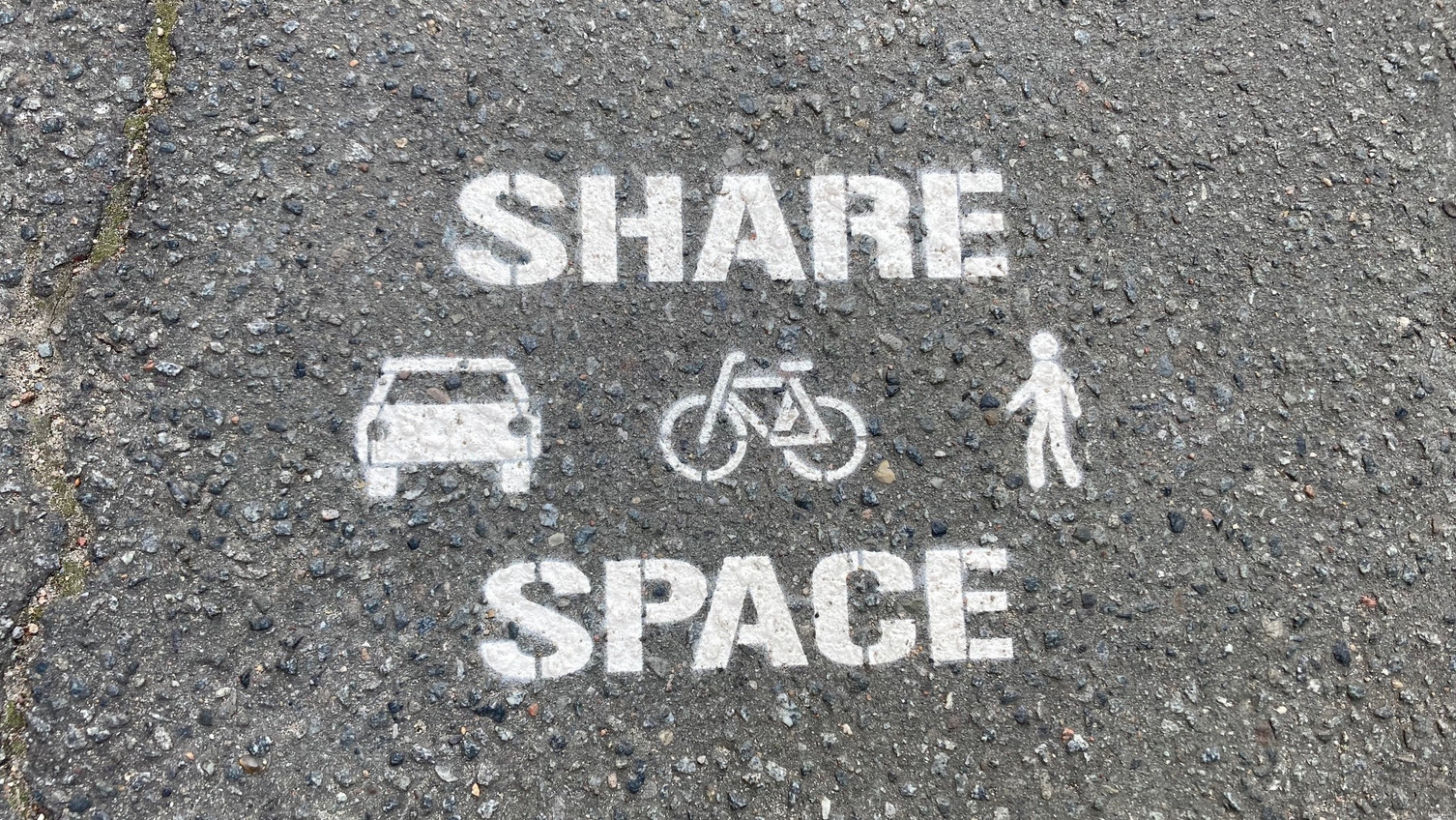
Lifeworld Campus (Lebenswelt Campus) coordinates a sustainable development of the outdoor campus grounds. New ideas for design and use of our campus are reconciled with the existing campus design. Important topics in the process are: biodiversity, mobility, accessibility, design, exercise, character of stay, spaces for meeting, and outdoor learning and recreation places.
In a participatory process, starting in 2017, a master plan for the campus has been developed with support from landscape architects. By implementing the "Campus Park" based on the master plan, outdoor spaces are now being created in the centre of the campus that make life on campus even more attractive: Spaces for recreation, exchange, exercise, and outdoor teaching and learning.
Your suggestions and ideas are most welcome.
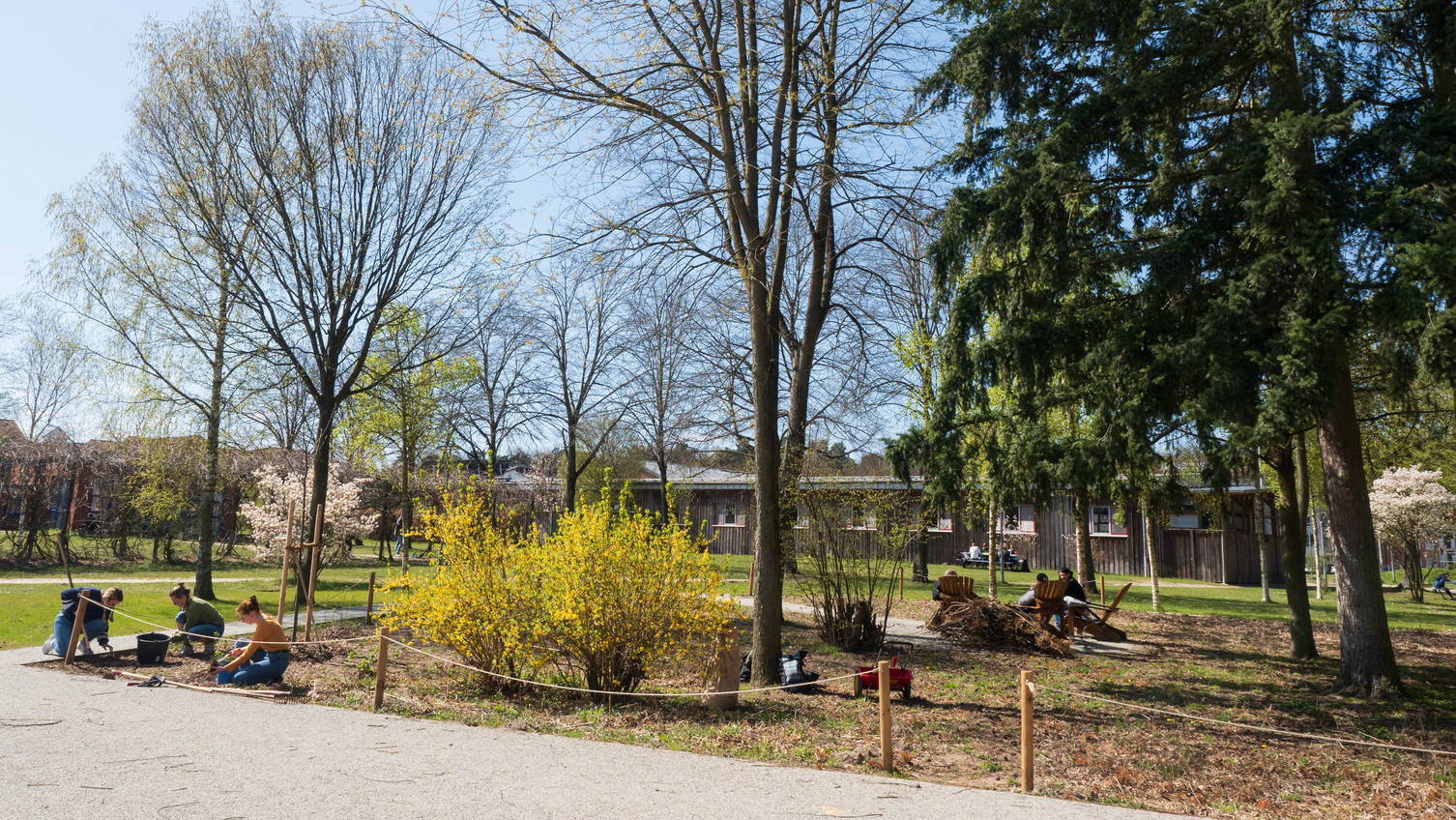
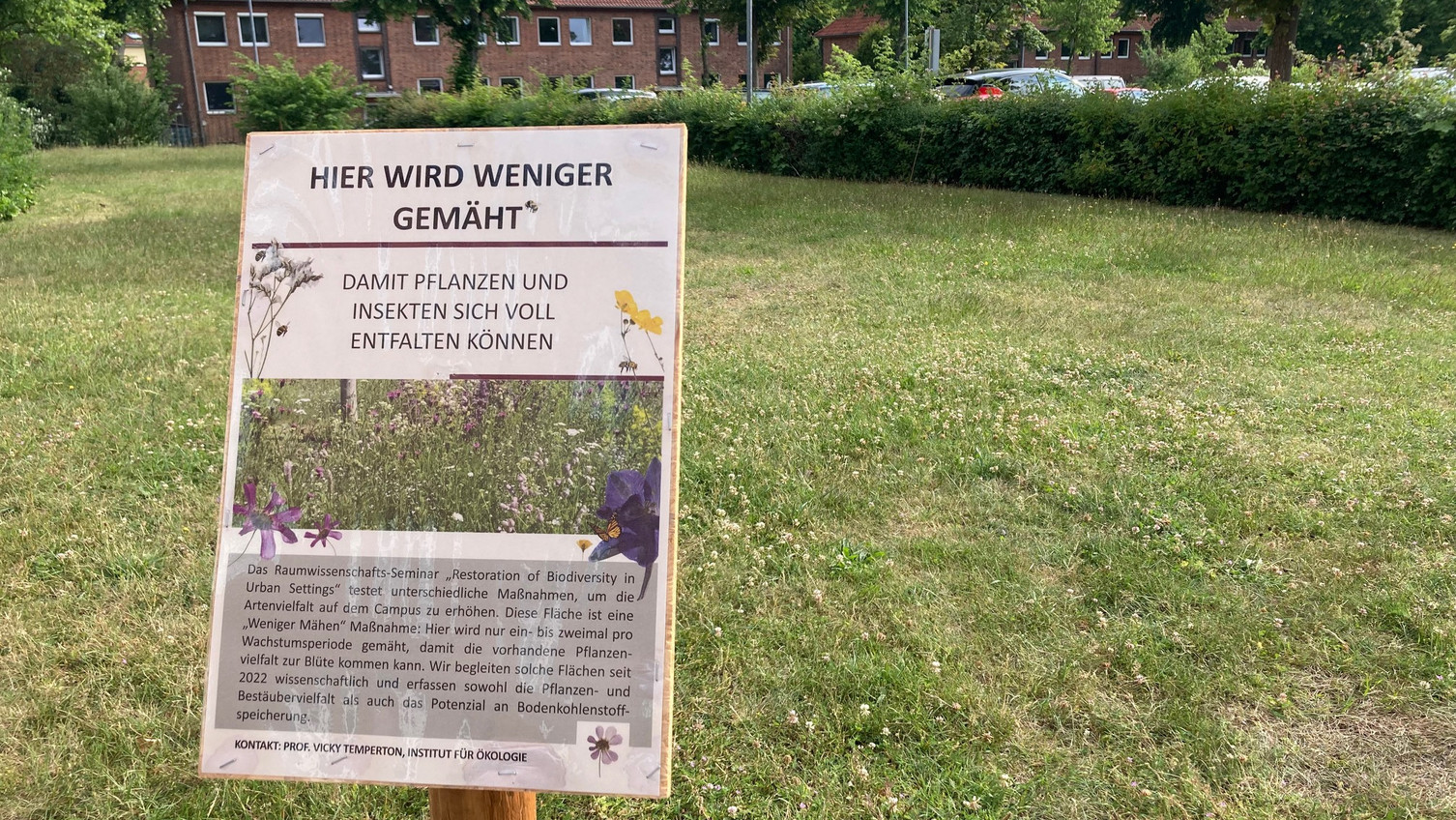
The seminar "Restoration of Biodiversity in Urban Settings", led by Vicky Temperton, is testing different measures to increase biodiversity on campus. The two lawns west of P2 and south of C22 will only be mowed once or twice a year starting this summer to allow the existing plant diversity to flourish. Students are recording plant and pollinator diversity and soil carbon storage potential.
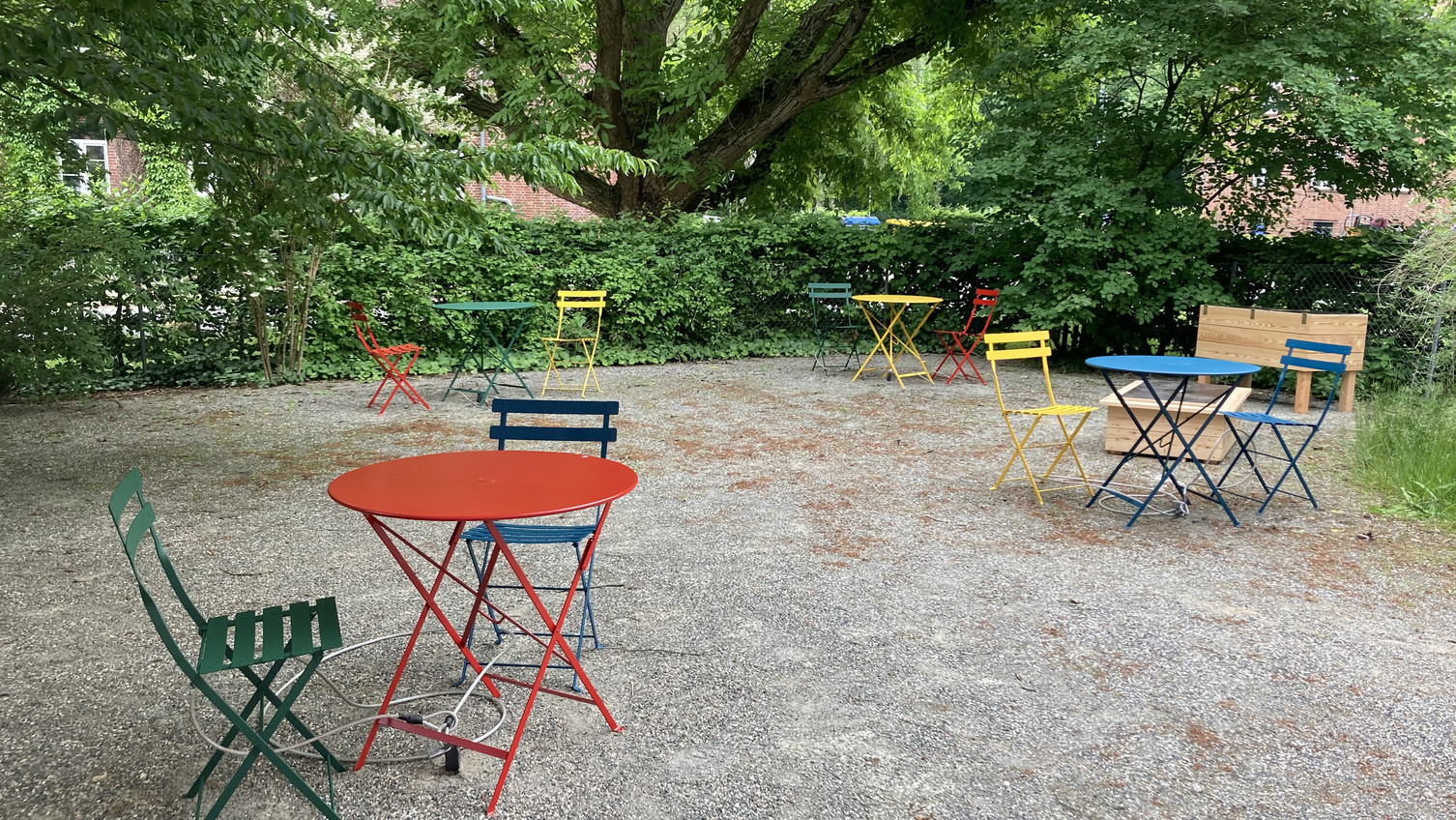
To the east (on the side facing Wilschenbruch) of building 14, the "quiet learning place" has been created. Enjoy a quiet lunch break or work outdoors here. Students can devote themselves individually to their learning projects in a quiet atmosphere. And small children are also taken care of: there is a high sandbox to play while standing; the second box is a little smaller so that children can sit in it. The sandboxes were built by the LOEWE-Stiftung Lüneburg according to plans by Oliver Günther; our family service provided sand toys. It is important to close the boxes again after playing.
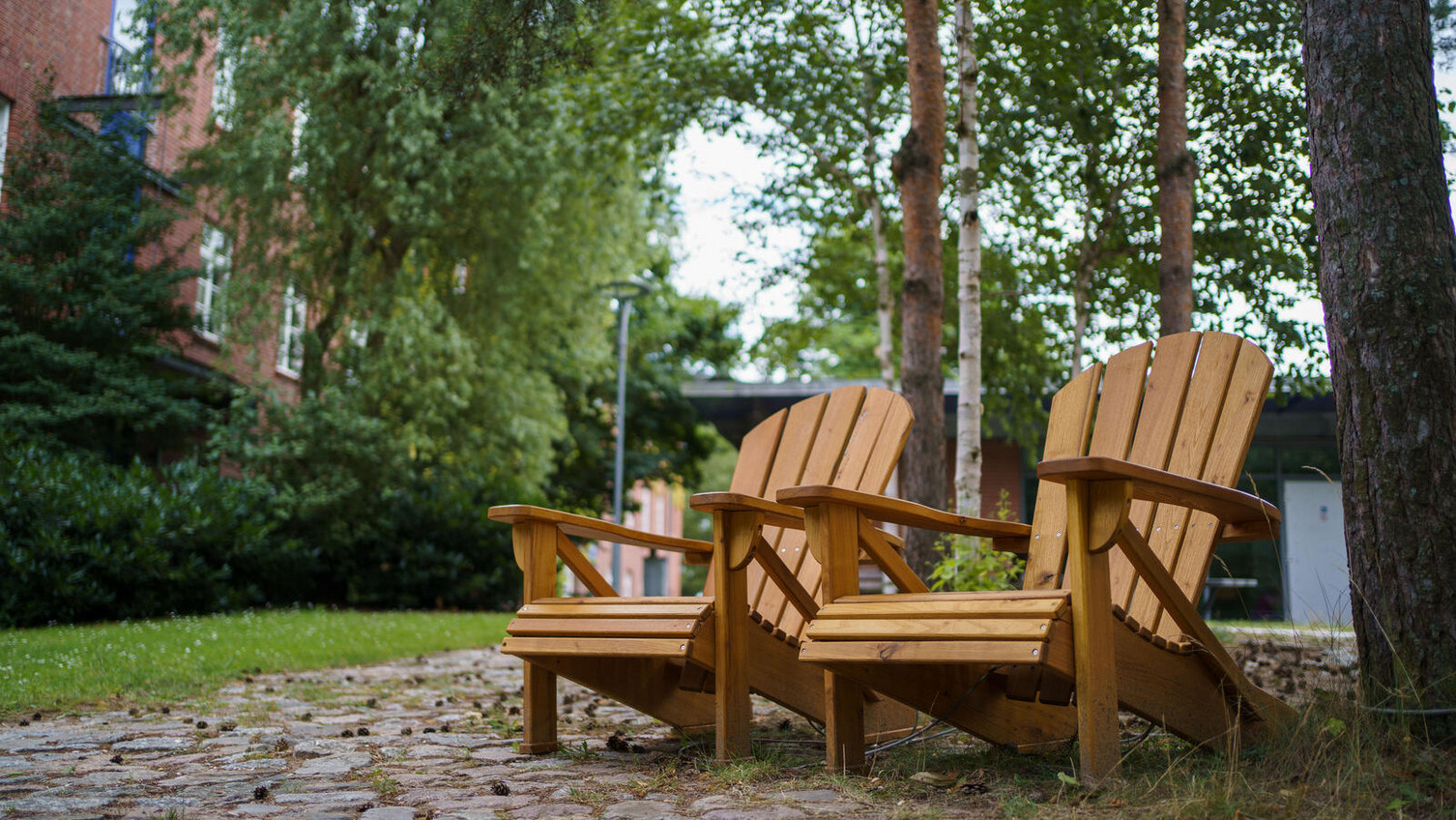
The building management has established a special cooperation with the LOEWE-Stiftung ("LOEWE Foundation") in Lüneburg. The foundation offers persons with mental health issues a place to live, work, train or be cared for. Since 2018, the university's outdoor facilities team has been working closely with the foundation's carpentry workshop, and from this they jointly developed the campus outdoor furniture. The clients of the carpentry workshop have already built 40 garden chairs and 40 large picnic tables for the campus.
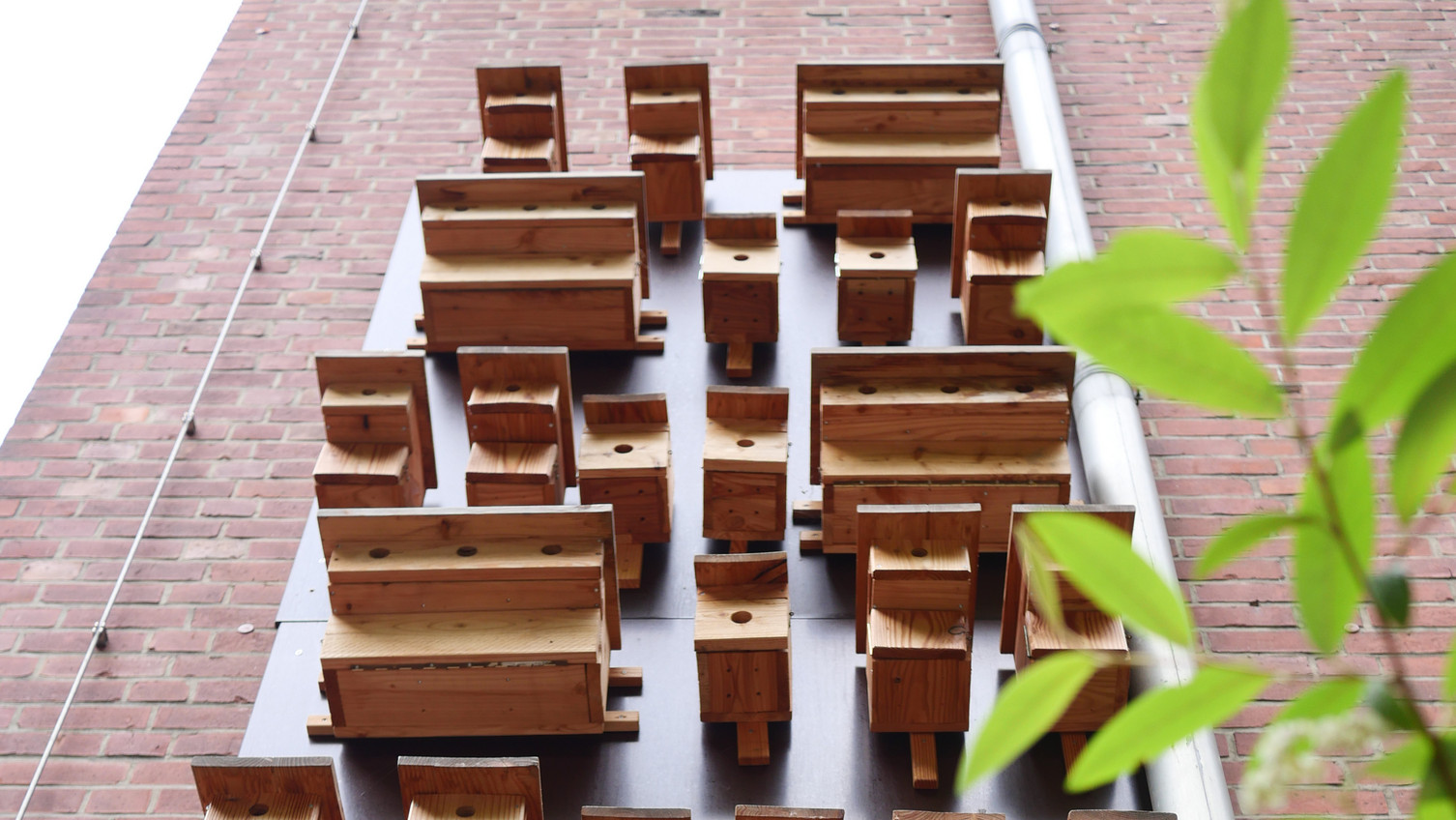
The bird nesting wall to the east of building 13 features nesting boxes for various bird species:
- Tit nesting box: This nesting box offers tits protection from nest predators. Due to the extended entrance, predators such as cats, martens and raccoons cannot get inside with their paws.
- Nesting box for half-hole breeders: This nesting box is particularly suitable for bird species that depend on niches and crevices for breeding, such as robins, redstarts and wrens.
- Sparrow row house: Colloquially known as "sparrows", house sparrows nest in niches and indentations of buildings or under roof tiles. The row house offers the sociable birds proximity to their conspecifics.
The nesting boxes were built by the LOEWE-Stiftung for Leuphana according to construction plans by BUND.
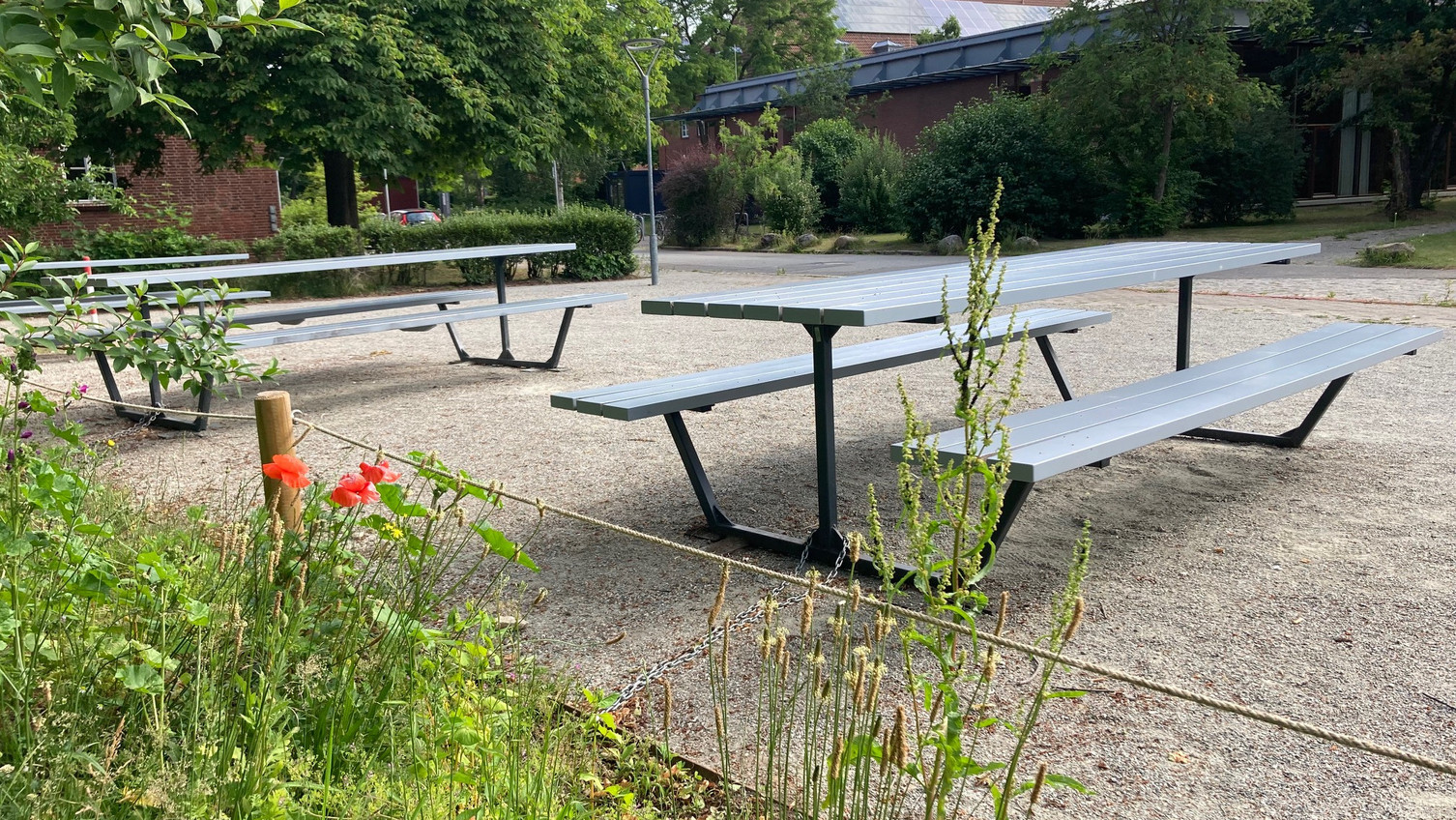
The water-bound path surface ensures barrier-free access. It consists of three layers of different stones and is not sealed. This type of barrier-free paving is also used in nature reserves. The roots of surrounding plants can continue to grow, rainwater can flow through and the square or path does not heat up much.
The LOEWE Stiftung also built the picnic tables for Leuphana University.
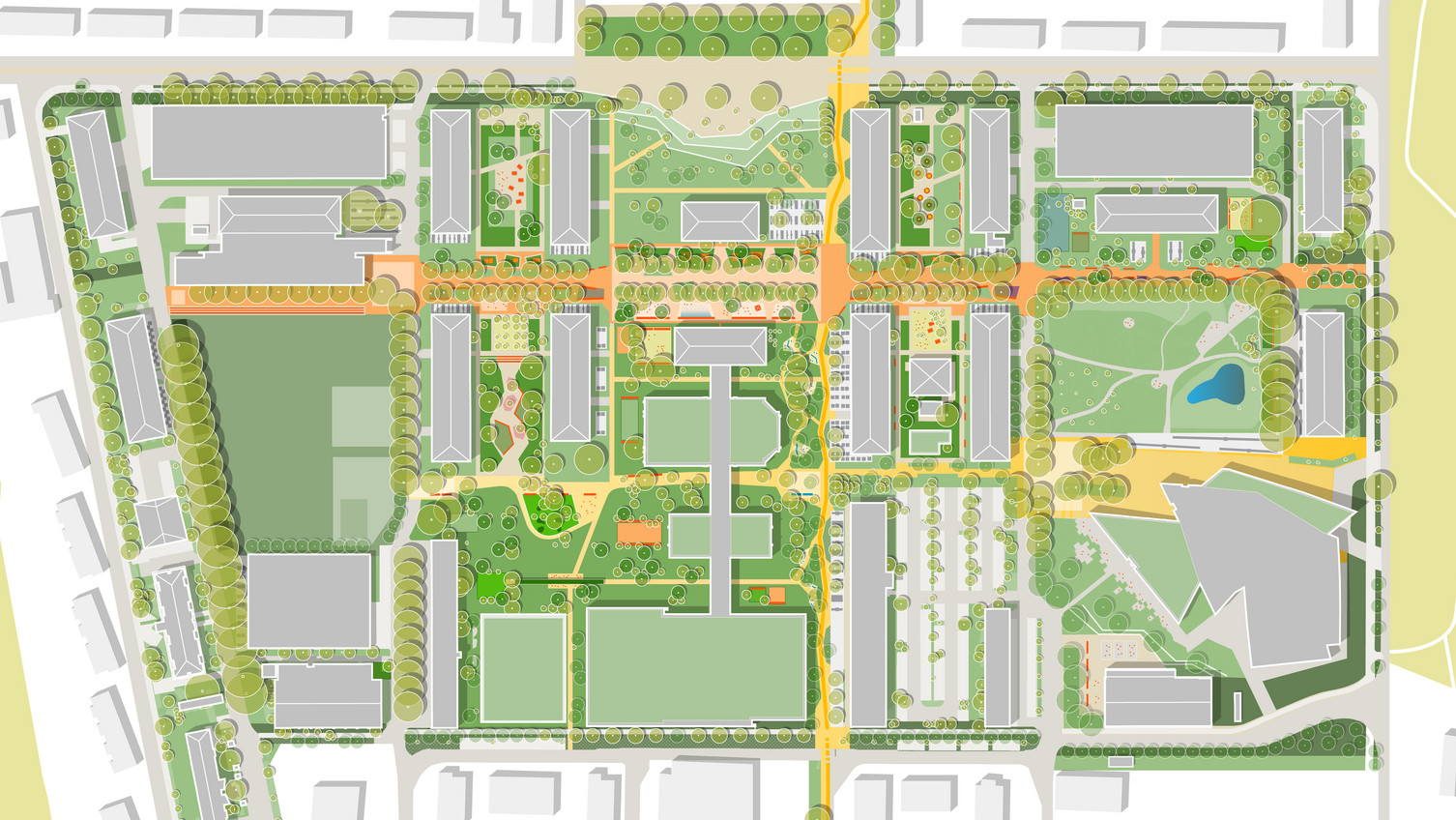
The master plan is the result of a participatory process involving the university community that has been underway since 2017. The aim is to increase the sojourn quality on campus and, concomitantly, to integrate the topics of biodiversity, accessibility, sustainable mobility, outdoor learning spaces, and exercise. Dialogue spaces in which personal encounters are encouraged shall be created. The campus will become a green park stimulating activity. To this end, seminars, workshops, and public discussions were held to develop concepts for the various topics.
Together with commissioned landscape architects, the ideas and concepts were further developed and finally transformed into the master plan.
At the end of 2020, the master plan for the campus grounds was presented to the university community.
Our next step is the implementation of the heart of the master plan, the "Campus Park". In a public tender at the end of 2021 / beginning of 2022, the landscape architects' office MERA, Hamburg, prevailed over other applicants and was commissioned with design and construction. The Lebenswelt Campus ("Lifeworld Campus") team will monitor the planning steps for the implementation of the campus park and will once again involve the university community.
Below you have access to an overview of the work and project steps for the Campus Park, which we will update regularly.
| 24, 25, 29 and 30 August 2022 | Explosive ordnance site investigation: Ensuring that all affected areas are free of explosive ordnance during subsequent construction work. These investigations are mandatory. There will be temporary road closures and noise pollution. The duration of the work per excavation point is one to two hours. |
| 6 June – 31 December 2022 | Draft planning based on master plan. |